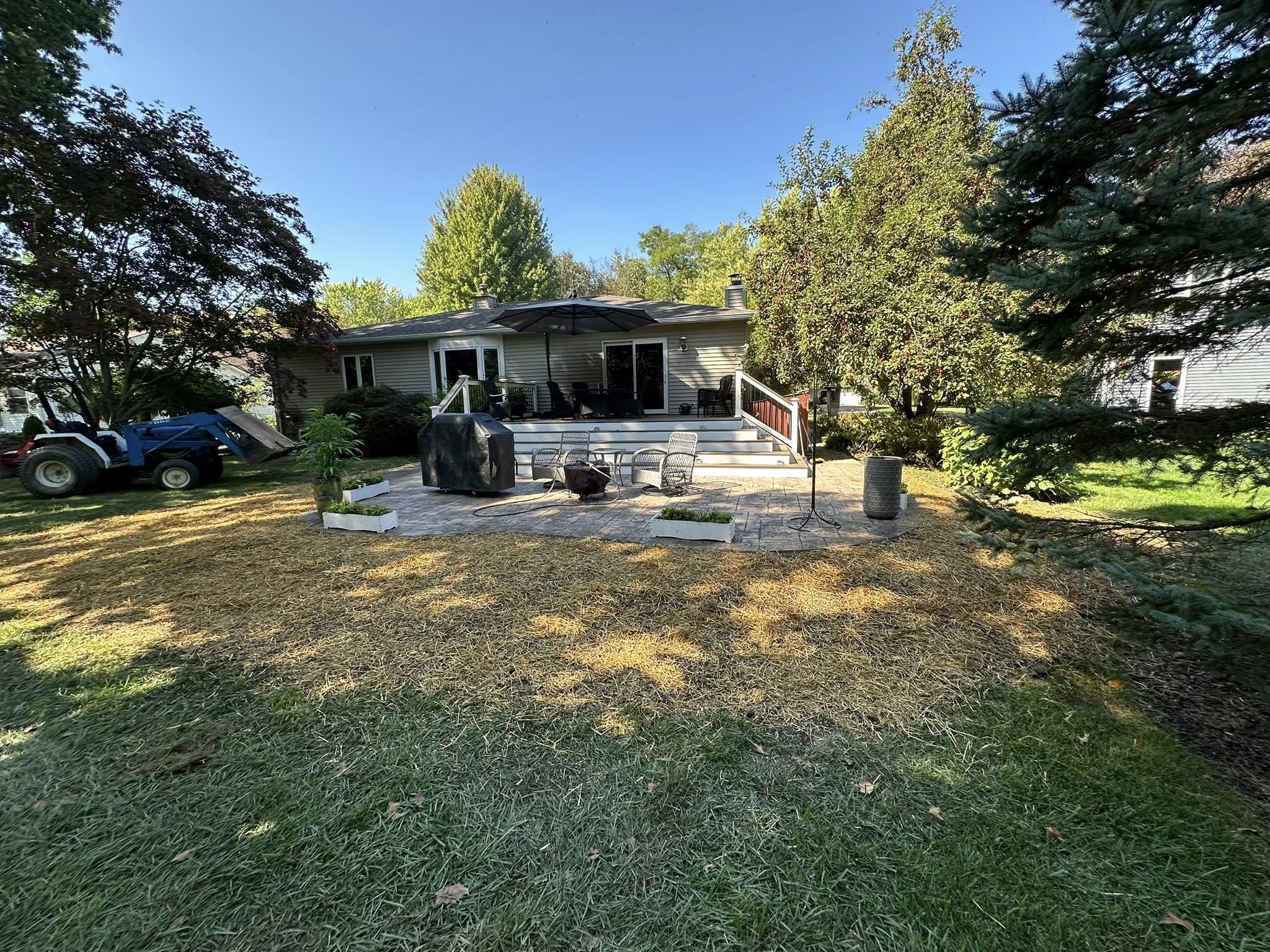
When planning any type of construction or landscaping project, one of the first terms you’ll hear is excavation. Many property owners ask what does it mean to excavate and why it’s such an important step before building or installing anything on their land. Excavation is the foundation of nearly every outdoor project. It shapes the ground, prepares the site, and ensures stability for everything that comes after. Whether you’re adding a new driveway, removing old structures, installing drainage systems, or preparing for a new foundation, excavation is where it all begins.
In Lake County, Ohio, where soil conditions can vary widely between properties, understanding what it means to excavate helps homeowners and businesses make informed decisions. Professional excavation services, like those offered by Moore’s Land Management, ensure that each project starts with precision and care.
Understanding What Excavation Really Is
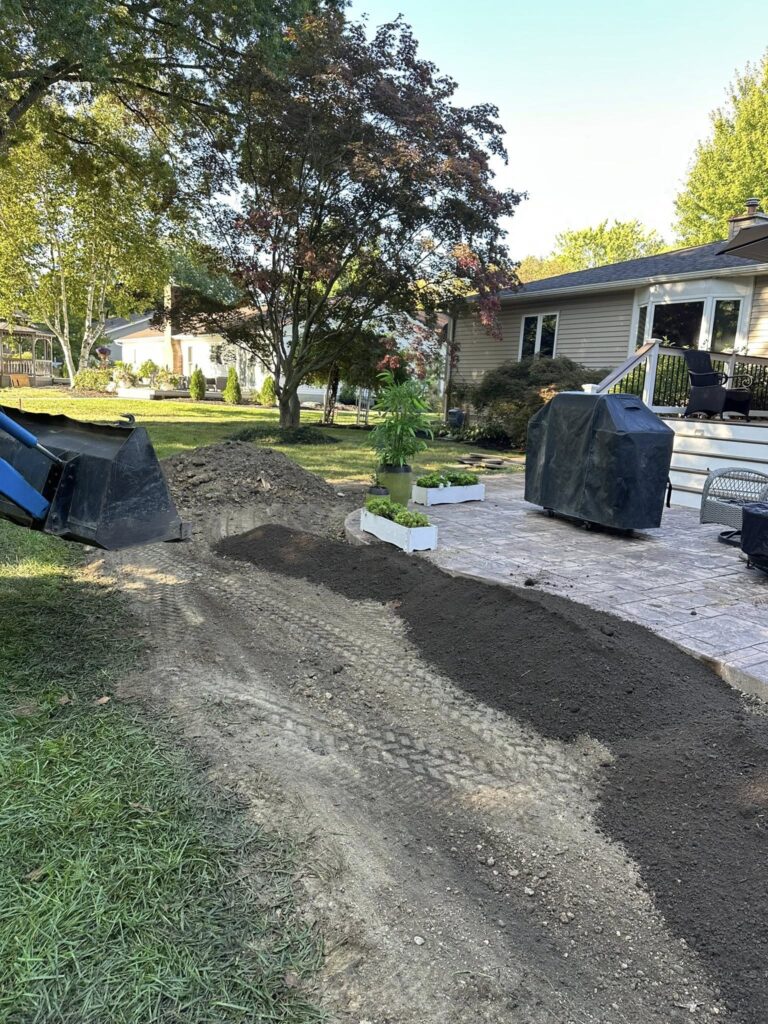
Excavation is the process of moving and shaping earth to prepare a site for construction, landscaping, or infrastructure. It often involves digging, grading, trenching, and removing soil or debris. The goal is to create a level, stable surface or to form specific shapes and depths for structures like basements, ponds, or retaining walls.
When asking what does it mean to excavate, think of it as transforming raw land into a workable foundation. It’s both an art and a science, combining heavy equipment with skilled operators who understand soil behavior, drainage patterns, and safety regulations. Excavation lays the groundwork for projects of every size, from small residential improvements to large commercial developments.
Different Types of Excavation
There are several types of excavation, each designed for a different purpose. Grading involves leveling or sloping the land to ensure proper water flow and foundation support. Trenching creates narrow, deep cuts for utilities such as water, gas, or electrical lines. Topsoil removal clears the upper layer of soil to prepare for construction or new landscaping.
Another common form is foundation excavation, which prepares the ground for buildings, garages, or patios. Drainage excavation helps redirect water away from structures, preventing flooding or erosion. Each type requires specific techniques and equipment to ensure accuracy and safety.
Tools and Equipment Used for Excavation
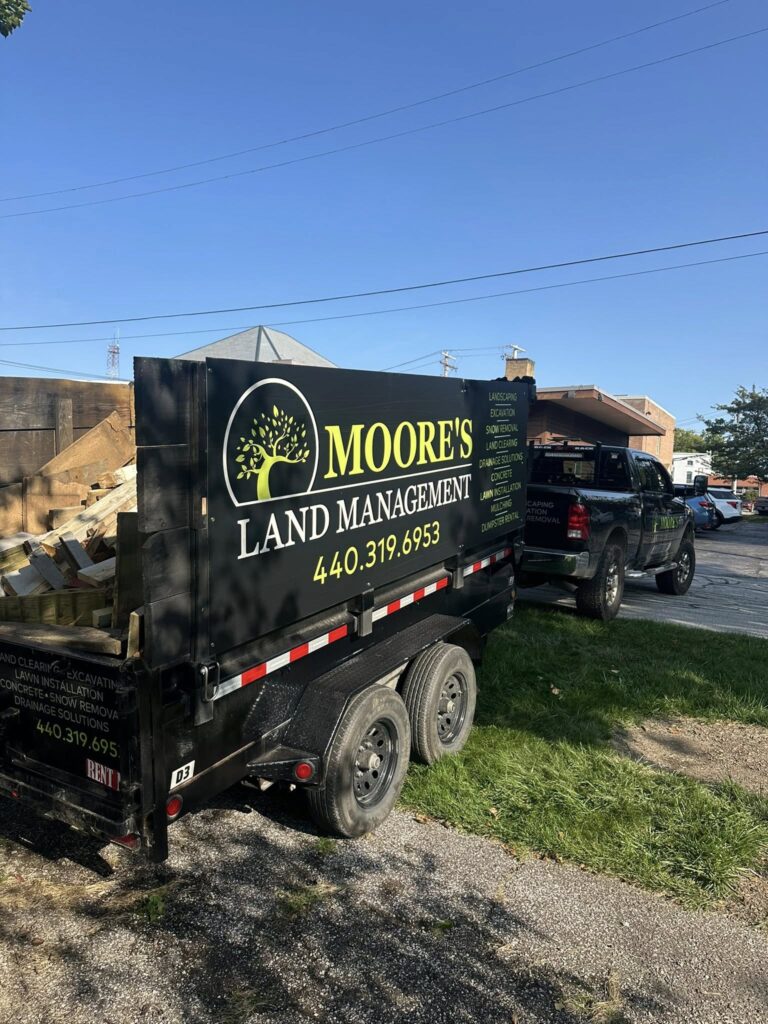
Excavation work relies on specialized machinery. Excavators, backhoes, bulldozers, and skid steers are among the most common tools. Each serves a different role depending on the scale of the project and the condition of the soil. Excavators handle deep digging and heavy lifting, while skid steers are more agile and ideal for smaller areas.
In Lake County, where weather and terrain can vary, having the right equipment makes all the difference. Moore’s Land Management uses professional-grade machinery that’s maintained year-round for reliability. This ensures projects stay on schedule and are completed safely no matter the conditions.
Why Excavation Is Essential for Property Development
Excavation is more than just moving dirt. It’s about preparing a property to support structures that will stand for decades. Proper excavation ensures that water drains correctly, foundations don’t shift, and landscaping features remain stable.
If excavation is skipped or done poorly, serious problems can follow. Uneven foundations can crack, basements can flood, and erosion can ruin lawns or driveways. When people ask what does it mean to excavate, the answer always includes the idea of creating long-term stability. Professional excavation prevents costly issues and protects your investment.
The Excavation Process Step by Step
While every project is different, the general process of excavation follows a clear sequence. First comes site preparation, which includes removing vegetation, debris, or existing structures. Next is surveying and marking, ensuring the layout matches the project’s design and complies with property boundaries.
Once the area is clear, earthmoving begins. Equipment operators remove soil to the required depth and grade the surface for drainage. During this step, excavators often haul away excess material or relocate it to build up other parts of the site.
After excavation, the site is inspected and compacted to ensure stability. For building projects, this stage sets the stage for laying concrete foundations or installing utilities.
Excavation and Drainage Management
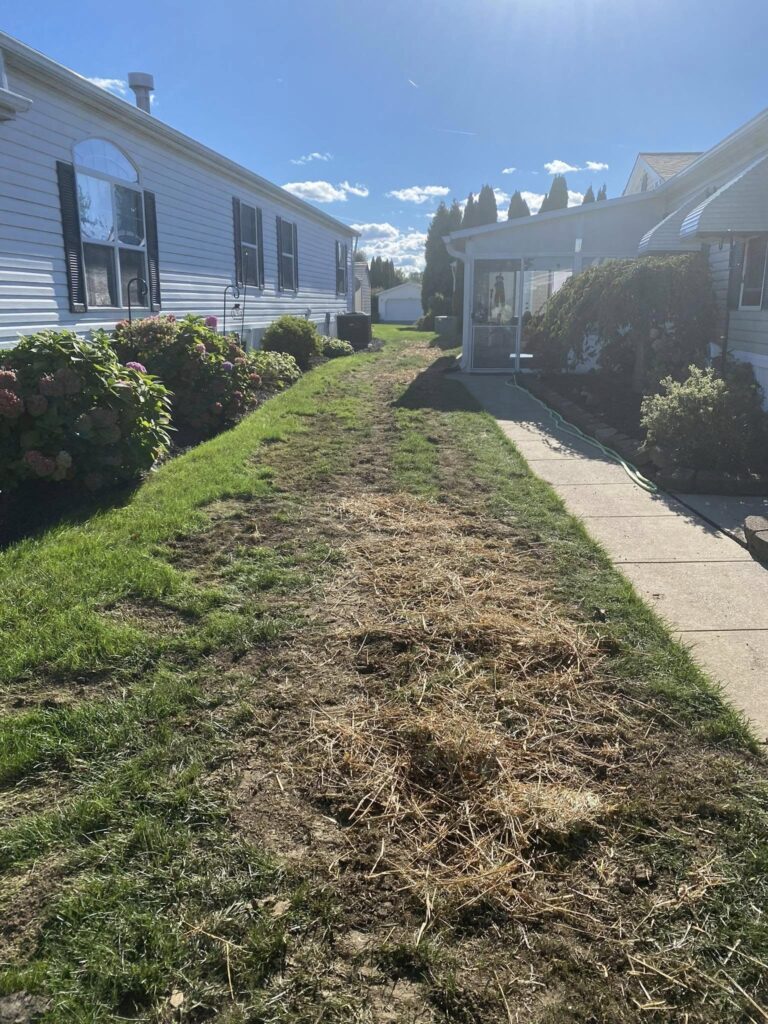
One of the most critical aspects of excavation is water management. In Ohio, improper drainage can lead to serious damage. When contractors excavate, they account for the slope of the land and how water will move after construction.
Moore’s Land Management specializes in grading and excavation that naturally guides water away from buildings and driveways. This prevents pooling, erosion, and basement leaks. Excavation that includes smart drainage design keeps properties safe and functional for years to come.
Safety Precautions During Excavation
Excavation work can be dangerous if not handled properly. The process involves deep holes, heavy machinery, and shifting soil. Safety regulations require specific protective measures to prevent accidents and ensure the ground remains stable during digging.
Professionals follow strict guidelines from the Occupational Safety and Health Administration (OSHA), using trench boxes, sloping, and proper shoring to prevent collapses. Homeowners and business owners should always choose licensed, insured contractors with experience in excavation safety. Moore’s Land Management prioritizes safety on every job, protecting both workers and property.
Environmental Considerations in Excavation
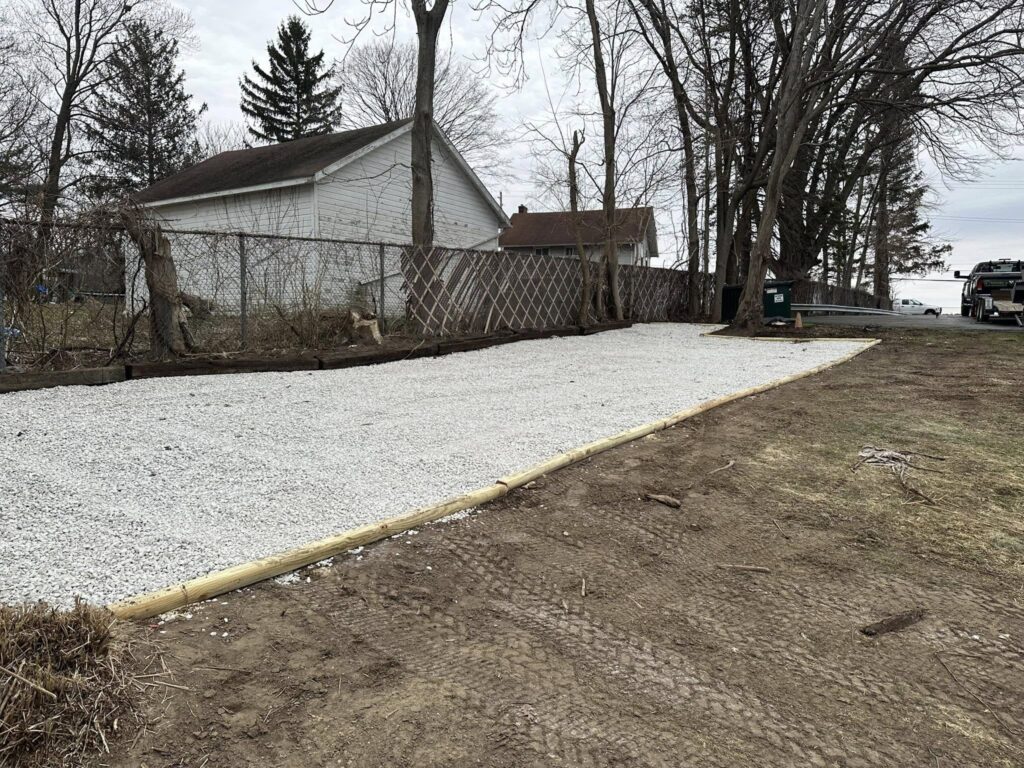
Modern excavation also considers the environmental impact. Responsible companies take care to minimize soil erosion, protect nearby trees, and avoid damaging underground utilities or habitats.
In Lake County, many areas include sensitive wetlands or drainage paths that require careful planning before digging. Understanding local environmental regulations ensures projects meet all legal requirements and preserve natural surroundings.
Moore’s Land Management takes an environmentally conscious approach, using efficient methods that limit disruption while still achieving precise results.
Common Projects That Require Excavation
Once you understand what does it mean to excavate, it becomes clear how often the process is needed. Home additions, garage foundations, driveways, ponds, retaining walls, and utility lines all require excavation.
Even smaller landscaping projects like drainage ditches or patio bases begin with some level of soil removal or grading. Excavation is also necessary for demolition projects, as debris must be cleared and the land reshaped for future use.
In both residential and commercial settings, excavation is one of the first and most essential steps toward creating a functional and attractive property.
Excavation in Landscaping and Outdoor Design
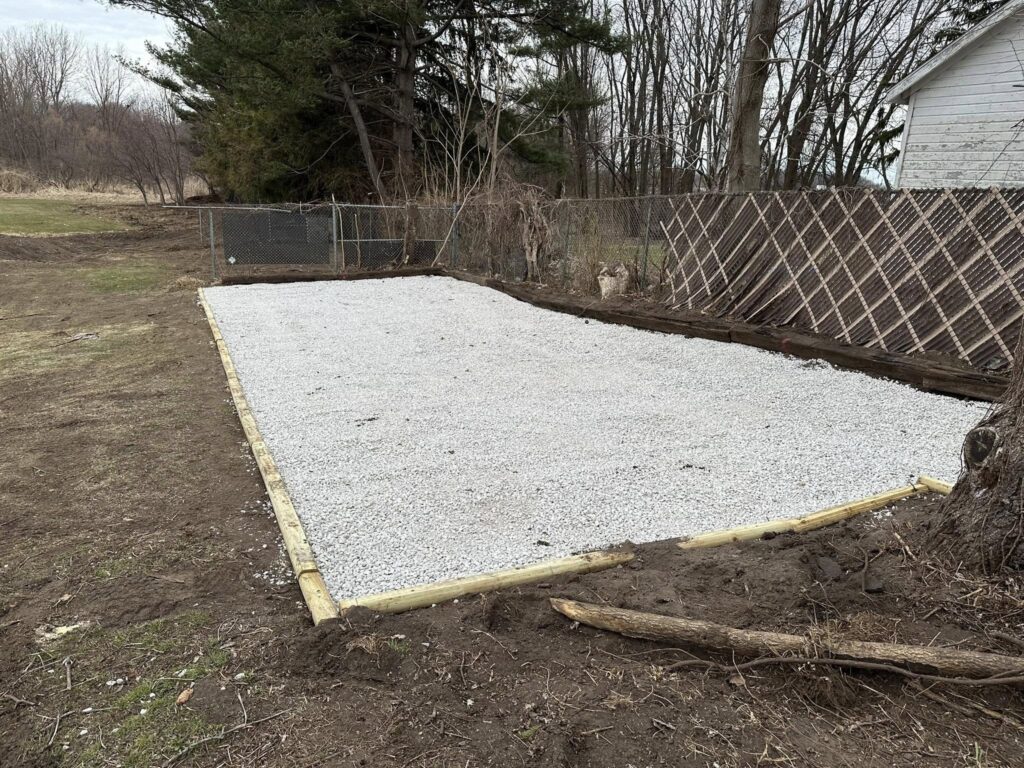
In addition to construction, excavation plays a major role in landscaping. Before installing new lawns, gardens, or retaining walls, soil often needs to be removed or reshaped to create proper contours.
Landscaping excavation might include regrading to improve drainage, digging trenches for irrigation systems, or removing old tree stumps that interfere with planting. In Lake County, where properties vary between flat suburban lots and hilly rural terrain, precise excavation is key to beautiful, low-maintenance outdoor spaces.
DIY vs Professional Excavation
Some property owners consider handling small excavation tasks themselves, but even minor digging projects can become complicated. Without the right equipment or understanding of underground utilities, it’s easy to cause damage or injury.
Professional excavators handle permits, safety regulations, and the heavy machinery required for the job. They also bring experience that ensures the ground is properly graded and compacted for stability. Hiring a company like Moore’s Land Management eliminates guesswork and provides peace of mind that the job will be done safely and correctly.

How Weather Affects Excavation
Weather plays a huge role in excavation work. Heavy rain can cause soil to become unstable, while freezing temperatures make digging difficult. In Ohio, scheduling excavation around seasonal patterns is essential for efficiency and safety.
Experienced contractors know how to plan for changing weather conditions. They monitor forecasts and adjust their methods to keep projects on track, even during wet or cold periods. Moore’s Land Management’s familiarity with local climate conditions ensures that excavation jobs stay on schedule year-round.
What Does It Mean to Excavate in Lake County
In Lake County, excavation is the foundation of property improvement. It’s used for everything from new home foundations to septic installations and drainage upgrades. Because of the area’s mix of clay and loam soils, professional excavation is essential to prevent shifting, cracking, or drainage issues later.
Local experience matters when dealing with soil composition, slope, and drainage. Moore’s Land Management combines technical skill with local knowledge, making sure every excavation project meets both structural and environmental standards.
The Importance of Precision in Excavation
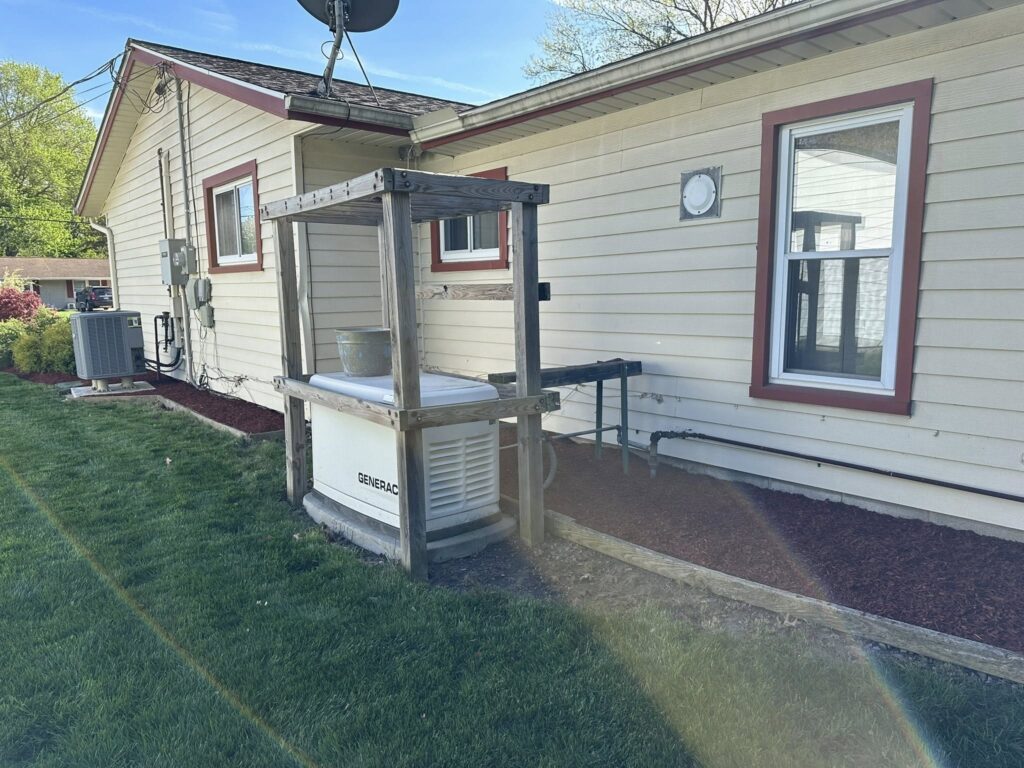
Precision determines the success of any excavation job. Digging just a few inches too deep or too shallow can create major problems for future construction. Experienced excavators measure carefully, use laser leveling equipment, and constantly check their work to meet exact specifications.
Accurate excavation saves time and money by preventing delays and ensuring other contractors can start work immediately afterward. Precision is one of the defining traits of professional land management services and a key reason homeowners trust experts like Moore’s Land Management.
Conclusion
So, what does it mean to excavate? It means preparing the ground in a way that ensures stability, safety, and success for whatever comes next. Excavation transforms raw land into a solid foundation for construction, landscaping, and property improvement.
For homeowners and businesses in Lake County, Ohio, Moore’s Land Management provides professional excavation services backed by experience, reliable equipment, and a commitment to quality. Whether you need site preparation, grading, drainage, or demolition, their team ensures your project starts on solid ground.